
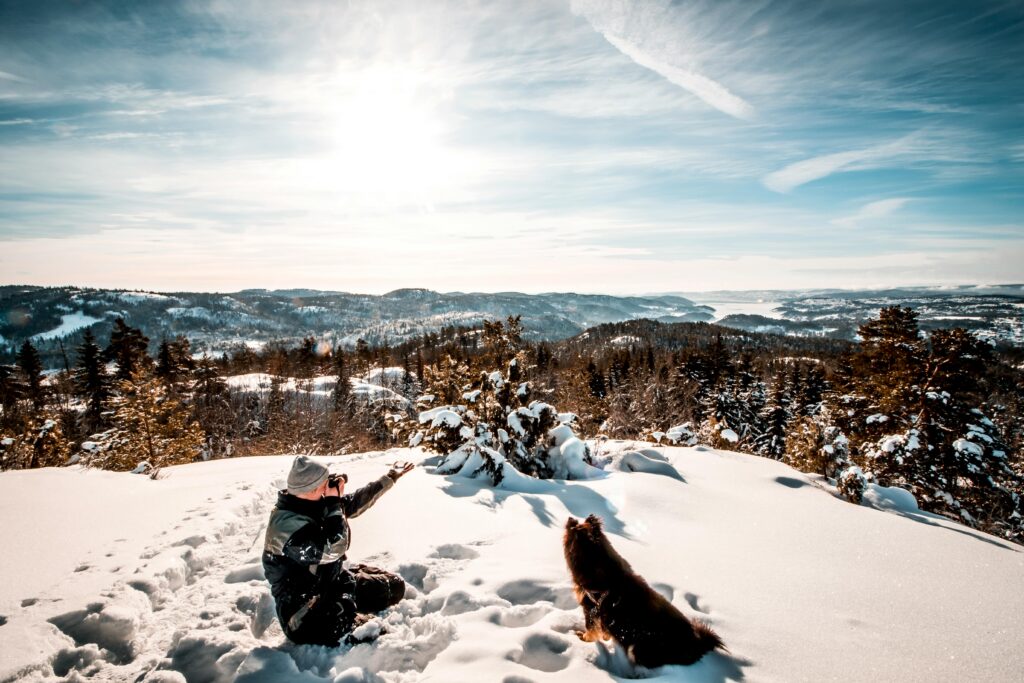

As the temperatures drop and the snow starts to fall, many dog owners assume training should take a break until spring. But the truth is that winter might be the best time to work on your dog’s obedience, behavior, and focus.
Cold months bring fewer distractions, more indoor opportunities for practice, and valuable time to strengthen the bond between you and your dog before the busier seasons return.
Why Winter Is Ideal for Training
Training in winter builds consistency, adaptability, and resilience. Fewer outdoor activities mean more time to focus on structure and obedience, which can lead to better results overall.
Here’s why cold weather training sets your dog up for long-term success:
- Fewer distractions: Shorter days and quieter parks make it easier for your dog to focus.
- More mental stimulation: Indoor drills challenge your dog’s brain and prevent boredom.
- Better consistency: Without the chaos of summer schedules, daily routines are easier to maintain.
- Preparation for spring adventures: Obedience work now makes outdoor fun safer and more controlled later.
Reinforcing Obedience Indoors
Winter weather limits outdoor time, but that should not stop your dog’s training progress. Indoor spaces can become effective classrooms for reinforcing commands like “sit,” “stay,” “down,” “place,” and “come.”
Try these easy indoor exercises:
- Practice short “stay” drills while cooking or working from home.
- Use hallway recalls to strengthen your dog’s response to “come.”
- Add distractions like the TV, toys, or family activity to simulate real-life focus challenges.
If your dog struggles to stay engaged, our Basic Obedience Program offers customized training sessions to build focus and control, even in small or confined spaces.
Make Walks Count
Even in colder weather, dogs need daily walks. Use these outings as training opportunities rather than quick potty breaks.
- Short, focused sessions: Ten-minute leash walks with structured “heel” practice can be more beneficial than long, unstructured ones.
- Vary environments: Practice walking in neighborhoods, empty parking lots, or quiet parks.
- Incorporate commands: Ask for “sit” at crosswalks and “wait” before entering doors.
For additional help mastering leash behavior, our article on traveling safely with your dog includes tips that apply equally well to navigating icy sidewalks and winter conditions.
Mental Stimulation on Cold Days
When it is too cold for long outdoor sessions, engage your dog’s brain with problem-solving activities.
- Puzzle toys: Keep your dog busy by hiding treats in snuffle mats or interactive feeders.
- Scent games: Hide treats around the house to build focus and confidence.
- Trick training: Teach new skills like “shake,” “spin,” or “roll over” to boost mental agility.
These short, fun sessions reinforce obedience while keeping your dog calm and engaged indoors.
Why Winter Builds Better Focus
Winter environments often introduce unique distractions such as snow plows, bundled-up pedestrians, and slippery surfaces. Training in these conditions helps dogs generalize commands to unpredictable settings.
Learning to stay focused despite cold winds or crunching snow teaches patience, trust, and adaptability, traits that carry over to all seasons.
Building Endurance and Confidence
Many dogs find cold surfaces or icy textures uncomfortable at first. Training through these sensations helps build resilience and confidence.
- Encourage slow introductions to snow by rewarding calm curiosity.
- Practice obedience on cleared paths before venturing into deeper snow.
- Always monitor for cold-related stress like paw lifting or shivering.
A little patience goes a long way in building a confident, weather-tolerant dog.
Prevent Cabin Fever and Behavior Issues
When dogs spend more time indoors, pent-up energy can lead to unwanted behaviors like barking, chewing, or pacing. Training provides structure and mental stimulation to prevent frustration.
Our post on the science behind dog play explains how structured engagement can redirect energy productively while keeping your dog mentally balanced.
Additionally, PetMD’s cold weather safety and rodenticide guide reminds dog owners to stay alert during winter months. Many homes use pest control products in colder seasons, which can be toxic to dogs. Being aware of these hazards ensures your training environment remains safe and positive.
Checklist: Winter Training Essentials
- Continue daily obedience sessions indoors or in short outdoor bursts.
- Use mental stimulation games to replace long walks on cold days.
- Maintain routines to reduce stress and boredom.
- Adjust gear for the weather: boots, reflective vests, or coats when necessary.
- Focus on calm, consistent leadership to keep your dog balanced.
FAQ: Winter Dog Training
Q: How long should I train my dog outdoors in cold weather?
Limit sessions to 10–15 minutes in extreme cold and watch for signs of discomfort like shivering or paw lifting.
Q: Can training indoors really replace outdoor sessions?
Yes. Obedience, impulse control, and focus drills can all be effectively taught indoors.
Q: How do I keep my dog motivated when they are tired of being inside?
Rotate toys, change environments, and use high-value rewards to maintain excitement.
Q: What if my dog refuses to go outside in the cold?
Start with brief outings, use positive reinforcement, and gradually increase exposure time.
Final Thoughts
Winter is not a season to pause training, it is an opportunity to progress. By focusing on structure, consistency, and engagement, you can keep your dog mentally sharp and well-behaved even when the weather keeps you indoors.
If you are ready to make the most of the cold months, contact our Columbus team through our contact page. Together, we can turn this winter into a season of focus, discipline, and growth for your dog.